Who am I?
What am I going to do?
Am I going to make it?

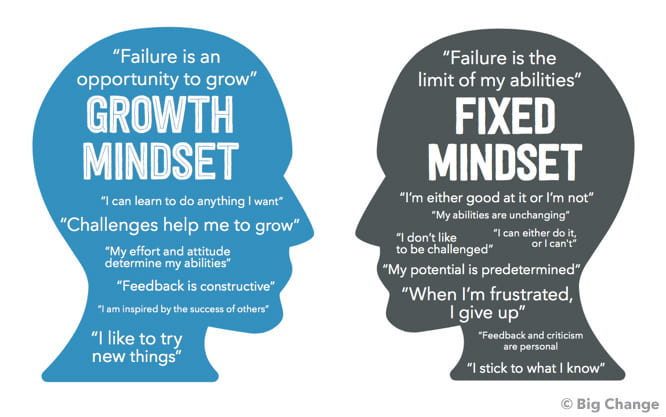
Additionally, although he does not use this language directly, I would argue that he also modifies his instruction by incorporating a growth mindset philosophy with learning. Specifically, he states that with his new grading model “the rule is there’s never an end to this [meaning learning]. You don’t just get an ‘F’ and you’re out. Instead you get a ‘Not yet’ and some feedback” (TEDx Talks, 2016, Kansas State University). I also argue that his view on learning has shifted to a community-based effort rather than an individualistic act–in his modified classroom, his students are encouraged (and expected) to help one another to learn the material in a way that makes sense and is meaningful for them.


Alyssa, Wesch makes some great points about making connections to students and their interests in order to best help them learn. I think it is important to remember that as educators and youth workers, our role is to guide students on a journey of learning. We should not be simply "dumping" information into their heads and expect them to be able to apply it. Rather, we need to make connections to their interests to aide them in the learning process. Creating projects and assignments that revolve around students lives will help them to engage more in learning and start to better understand what is being taught. We should be involved in the journey of learning and working with our students, rather than leading it and expecting them to just "get it."
ReplyDeleteAlyssa, I also saw connected Wesch’’s beliefs to Growth Mindset. Letting students know that it's ok to not succeed at something the first time, or that learning happens when mistakes are made. I always use the phrase “Not Yet” with my students to reassure them that what ever they are struggling with, it will come with perseverance and the support of their classmates and teacher.
ReplyDeleteAlyssa, great connection with Wesch's philosophy on growth mindset. It is nice how he viewed himself as someone that can help others along the way find their spark. I also like how you pointed out how he adapted his instruction depending on his students. Instead of getting mad that a student kept falling asleep he took the time to find out why and made a solution.
ReplyDeleteI love your connection to Growth Mindset. The writings of Dr. Carol Dweck seem to keep popping up in this (and other classes). It is not about the destination (in this case getting the A), it is about the journey and where the real learning begins to happen. Not Yet...is something we say in my class all the time. It's not that the student can't do something...it's that they can't do it YET.
ReplyDelete